Search Artists
 Search Disciplines
 Search
Places
Search
Places
Image
Image
Role
Advisor for Belgium, France, Germany & the United Kingdom & Interim Advisor for Italy & Spain
Email
a.moerk [at] dutchculture.nl

 Sam Feldt Antony Hermus HH Producties Lejo Armin van Buuren
 Education
 Spain
Turkey
Poland
Amsterdam
Dresden
Miami
Spain
Turkey
Poland
Amsterdam
Dresden
Miami
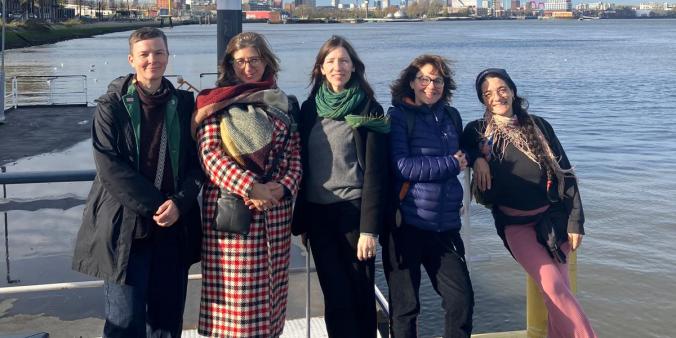
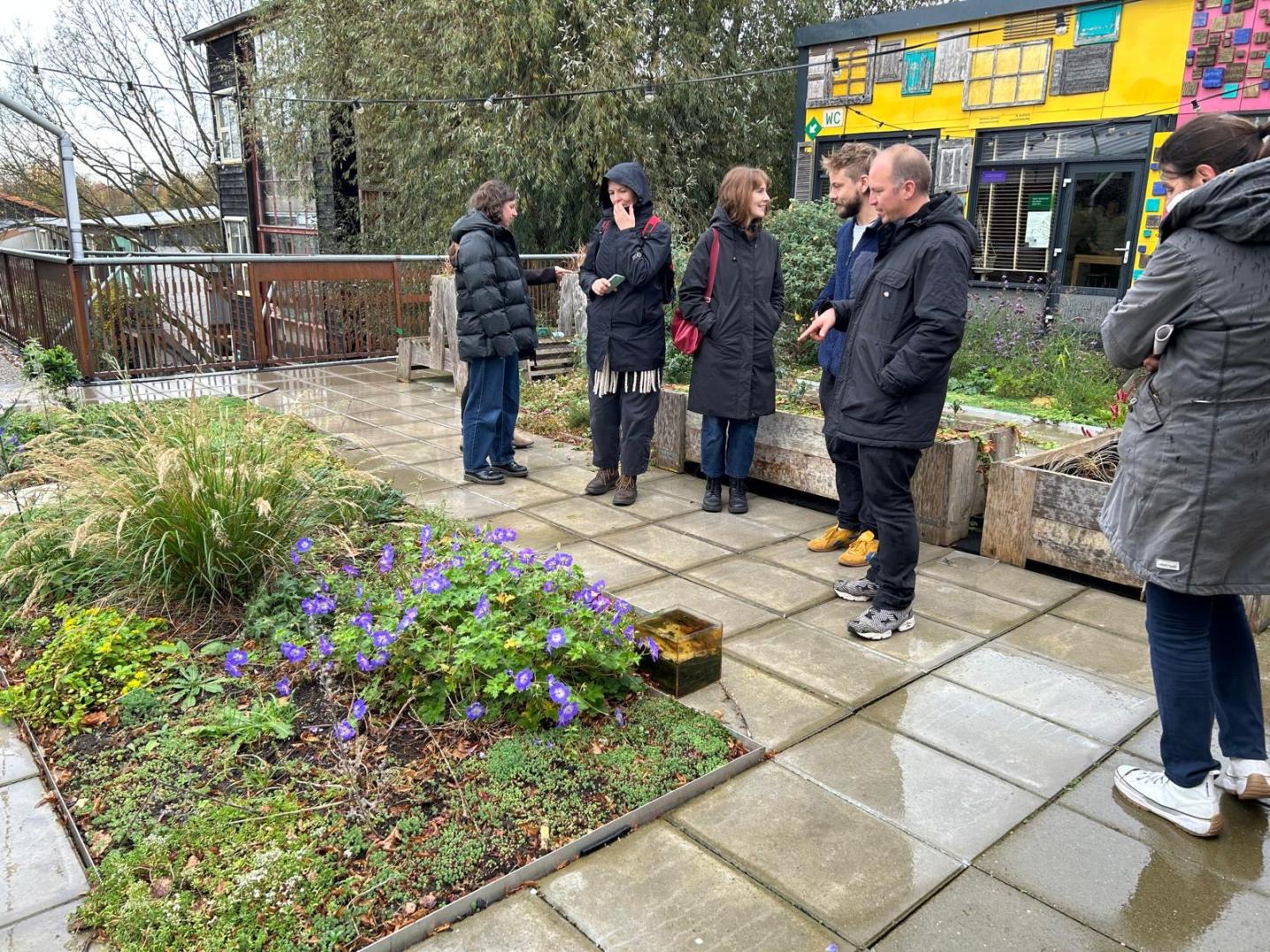
In November 2025, DutchCulture invited five cultural professionals from Belgium, France, Germany, Spain and United Kingdom to exchange about regenerative practice in the cultural sector. The programme grew out of a shared curiosity: how can cultural work contribute to regenerating the living systems we are part of? Our five visitors all facilitate cultural programming in the form of exhibitions, events and residencies that are committed to improving the health of their ecosystems in a time of waning biodiversity and climate catastrophe. Through their cultural programming and art residencies, they offer alternative ways of experiencing a world that centers around more-than-human life.
In this article series, DutchCulture reaches out again to these five visitors to share their views on regenerative culture, important aspects of their organisations and residencies, and how you could be part of it.
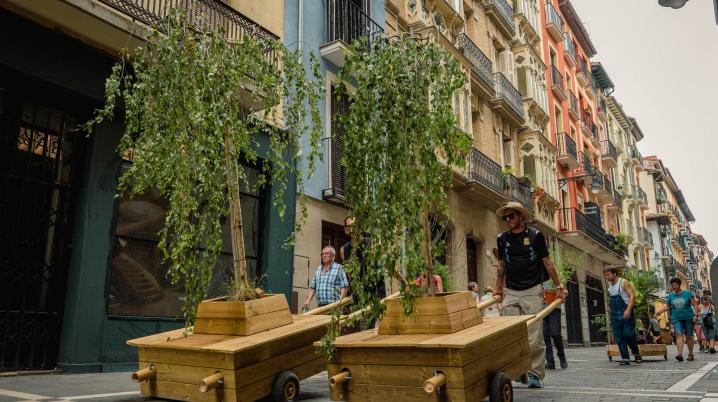
Isabel is a cultural manager and curator, and co-founder of LABEA – Laboratory of Art, Science, and Nature in Pamplona. She directs ARBOLA, a live arts festival dedicated to plant culture and our eco-social transition, now preparing its fourth edition in June 2026. Through LABEA, she also leads projects such as PLANTADANIA, which develops creative strategies for urban greening, and Materia Bosque (Forest Matter), a video art screening programme exploring the poetic and symbolic power of trees.
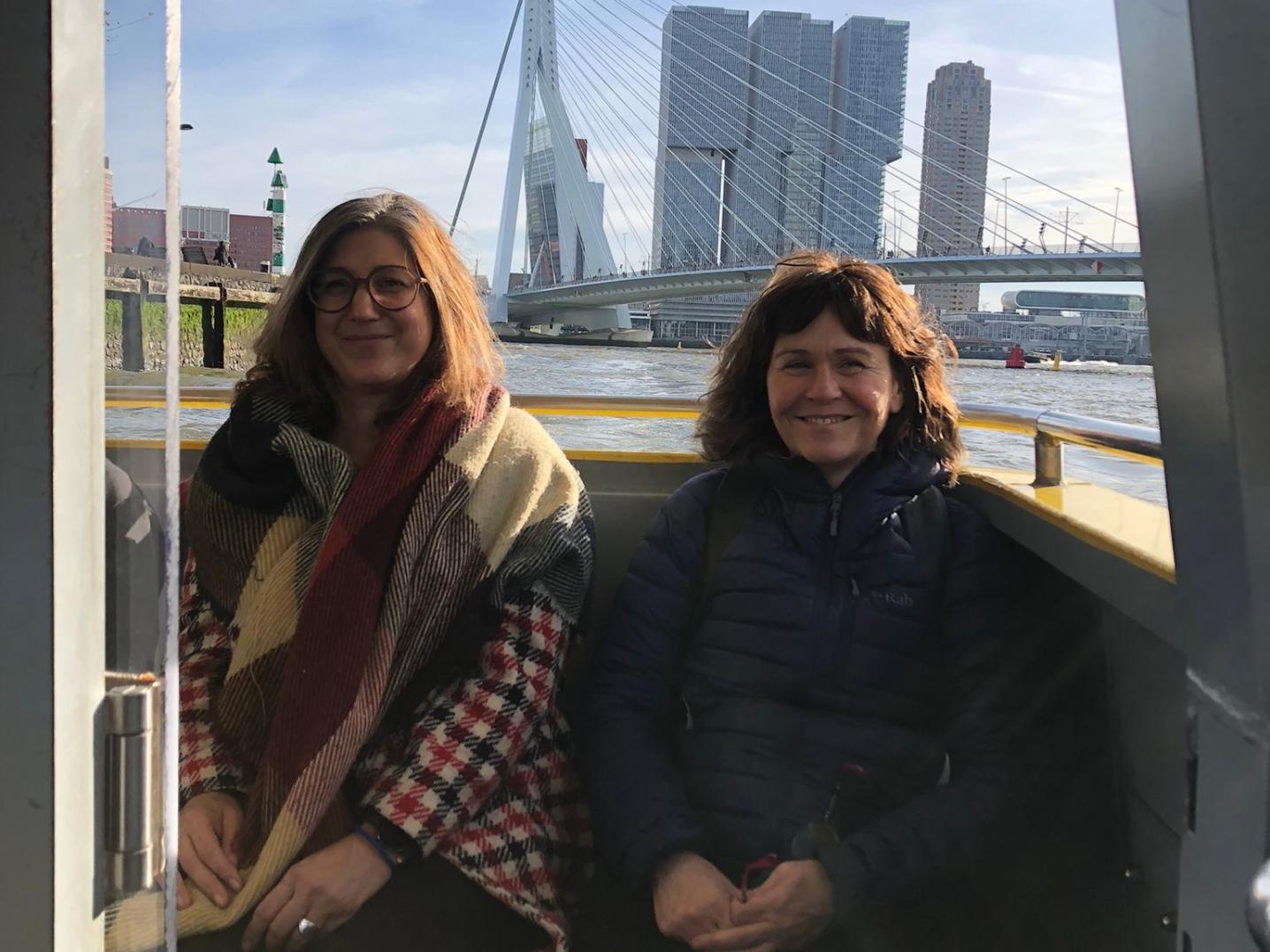
Isabel Ferreira: "LABEA is an arts organisation based in Pamplona, in the north of Spain. The word labea means “oven” in Basque, and for us it suggests a living laboratory: a space where different exchanges between art, science, nature and community life can be tested and nurtured."
Isabel: "Our purpose is to contribute to shifting social perception so we realize that nature is not a place, but the living fabric we are part of. We don’t just live in nature; we are nature. We believe all life can truly prosper together, and caring for it means caring for ourselves. Our role is to make the life around us more visible, known, and celebrated, helping it thrive as we transform our cities into regenerative spaces."
Isabel: "For us, regeneration means going beyond sustainability and actively helping life flourish in the everyday spaces we inhabit. We see it as a practice of co-evolution that moves us from being spectators to becoming active participants in the ecosystems we are part of. We apply it in different ways. Sometimes through symbolic actions that shift mindsets, such as the artistic-botanical exhibition we will soon premiere around the figure of the maestras balconeras (balcony gardeners) from our neighbourhood. Other times through concrete interventions that leave a lasting legacy in the territory. These actions are carried out with La Brigada Paisaje (Landscape Brigade), a team we created that brings together carpenters, landscapers, gardeners, urbanists, artists and cultural managers that also live in our neighbourhood (Burgo de San Cernin in the Old town of Pamplona)."

Isabel: "Our thinking is shaped by many voices. To give just an example, we can mention two books we are working with at the moment: Being Nature by the anthropologist Andreas Staid, and Ways of Being Alive by Baptiste Morizot. We chose the latter as a conceptual basis for Ecosystema, a project of artistic exchange we have created with two partner organisations on both sides of the Pyrenees: Dansaneu in Lleida and L’Estive in Ariège. But I would also like to mention two other sources of inspiration that have been meaningful to us recently. One is the older people in our neighbourhood who know how to help everyday spaces flourish and regenerate. The other is the Zoöp methodology in the Netherlands, which we discovered through your visitors programme."
Isabel: "What stayed with us was discovering people and projects who are seriously working at the intersection of culture, ecology and regeneration. One direct outcome has been our connection with Creative Coding Utrecht, one of the Zoöps we visited. We have invited its director Fabian van Sluijs to take part in our next Arbola Festival in June, where he will also present their project and the Zoöp Connections program at Encuentro Arbola, our international forum on art and territory. Together with Creative Coding Utrecht and Instituto Cervantes, we are also exploring two possible next steps: a residency for a Navarre-based artist within Zoöp Connections in 2026, and a reciprocal residency programme between LABEA and CCU in Pamplona and Utrecht in 2027-2028."
Isabel: "One inspiring project we often collaborate with is Azala, (azala.eus) in a little village in the region of Álava (Basque Country). It is a space for artistic creation that, among other things, has been helping regenerate the oak forest around it through both symbolic and practical actions. Beyond that, I still do not know many other projects in my region that are working specifically on regenerative culture from a contemporary and creative perspective."
Isabel: "There are different ways. One is by taking part in Arbola Festival, which this year celebrates its fourth edition from 11 to 14 June in Pamplona. Another way is by proposing creative ideas that we could develop together within Arbola or Plantadania, our urban regeneration programme. For example, right now we are looking for creative solutions to support the installation of swift nests in the streets of our neighbourhood. Local people often join through workshops, walks, volunteer-based actions and neighbourhood processes linked to our programmes. We are also part of the Erasmus for Young Entrepreneurs programme, so proposals are welcome from young people interested in these themes who would like to join us for a stay of up to six months. People can also follow our activities on Instagram at @labea.art."

The word Zoöp is short for Zoöperation, cooperation with zoë the Greek word for life, ζωή, It is an organisation form and learning process that incorporates non-human perspectives into decision-making, advancing regenerative practice. The Dutch Zoöp-model was developed at Nieuwe Instituut in Rotterdam, the first Zoöp in the world, and set up the Zoönomic Institut to grow the Zoöp network. Any organisation with an intrinsic motivation to contribute to the health of the ecosystems they are part of, can become a Zoöp and learn how to contribute to the well-being of their multispecies communities.
DutchCulture connects regenerative ideas and practices across borders, enabling people‑to‑people exchanges that are rooted in fairness, mutuality, and shared purpose. In an international context, this means working intentionally with partners to stimulate exchange. Our work has to be locally resonant to be globally relevant: we build networks of artists, cultural workers, and organisations who share the commitment to an interconnected world and a healthy planet.