Search Artists
 Search Disciplines
 Search
Places

Image
Image
Role
Advisor for Belgium, France, Germany & the United Kingdom, Interim Advisor for Italy & Spain
Email
a.moerk [at] dutchculture.nl

 Simone Lamsma ANOTR Laidback Luke Nederlands Dans Theater Oliver Heldens
 Education
 Portugal
Netherlands
Italy
Stuttgart
Tokyo
Chicago
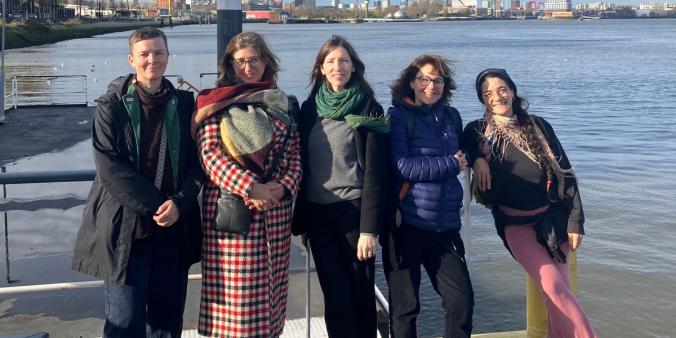
In November 2025, DutchCulture invited five cultural professionals from Belgium, France, Germany, Spain and United Kingdom to exchange about regenerative practice in the cultural sector.Through their cultural programming and art residencies, they offer alternative ways of experiencing a world that centers around more-than-human life.
In this article series, DutchCulture reaches out again to these five visitors to share their views on regenerative culture, important aspects of their organisations and residencies, and how you could be part of it.
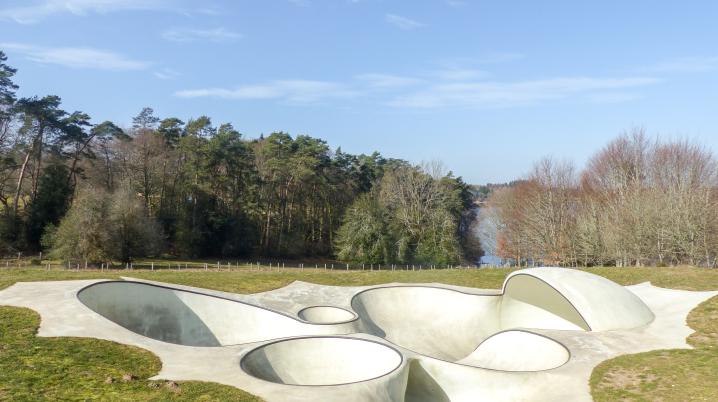
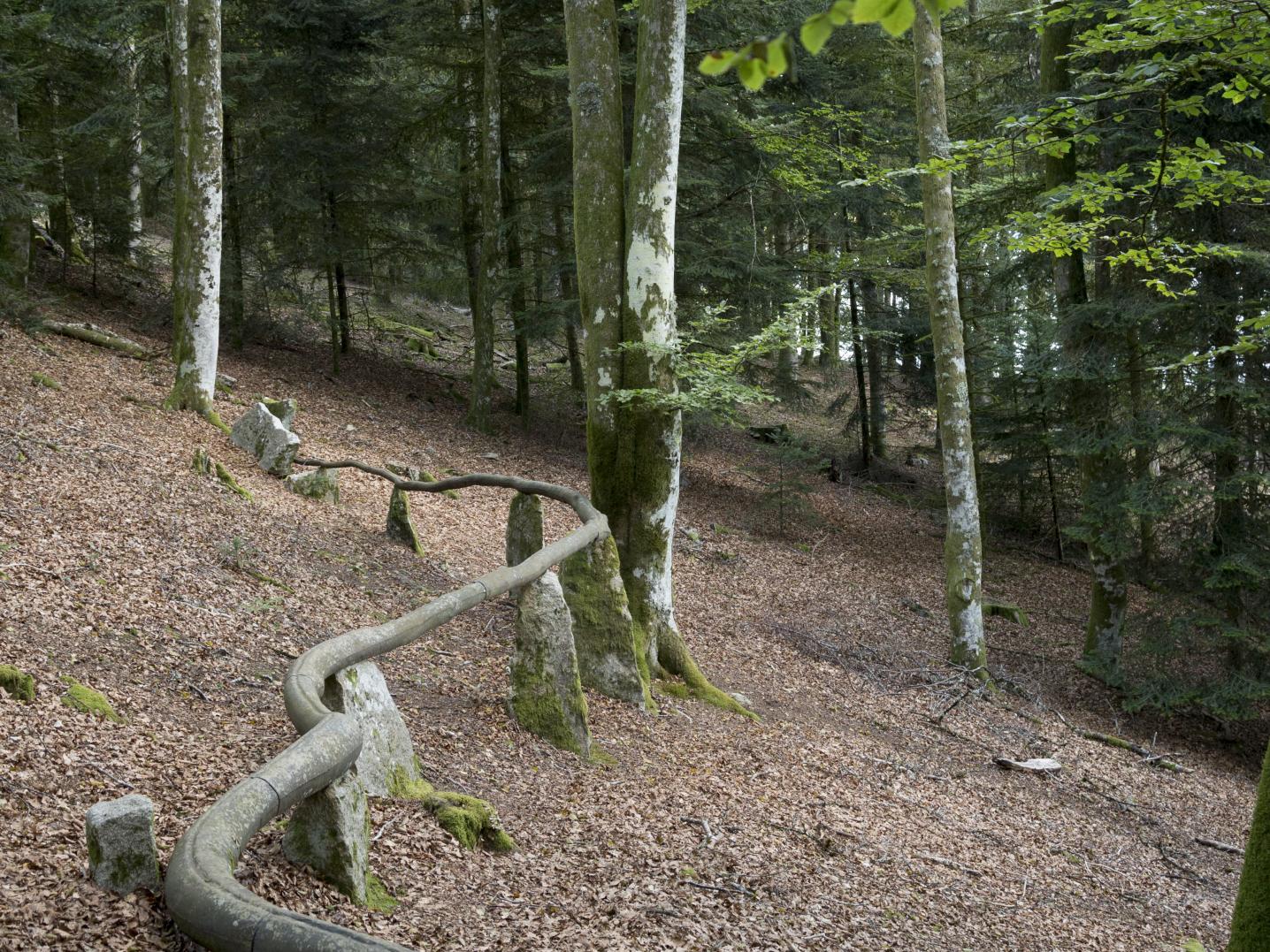
The Centre International d’Art et du Paysage on Vassivière Island is an art centre of national interest located in the heart of rural France. We support research, production and dissemination of contemporary art through exhibitions, residencies, publications and events exploring art and landscape. We also have a permanent collection of over sixty public artworks, which dot the forests, shoreline and fields of the island. Artists are invited to create and present works in response to the specificities of Vassivière and the surrounding region, while engaging with broader contemporary social, political and environmental concerns.
My role as director bridges artistic programming, management and strategic positioning, but I am perhaps foremost a facilitator. My goal is to ensure the best possible conditions for artistic creation and expression, for the exchange of perspectives, and for collaboration across different territories and forms of knowledge.
Regeneration is, for us, primarily an ecological question. We aim to actively promote resilient, healthy ecosystems and enhance biodiversity on Vassivière Island through artistic means.
This is driven in part by the desire and necessity to lead our institution towards a green transition, towards more sustainable practices across the board – from the choices we make about the transportation of people and artworks, to privileging circular economies and the use of sustainable or reusable materials in artistic production and exhibition scenography. We also wish to mitigate the effects of climate change and the impact of our visitors, who, due to our relatively remote location and the lack of public transportation options, contribute to 95% of CIAPV’s total carbon footprint.
In addition, however, I would say that regeneration is also about drawing people into deeper relationships with the natural world, and our particular means to do so are through artistic engagement. This might translate to, for example, resowing a plant-based artwork with flowers that are favourable to pollinating insects, or inviting artists, architects, designers and others to propose temporary structures that encourage us to observe and contemplate the island’s flora and fauna in different ways.
In thinking about regeneration, there is also a question of relationships, of cultivating empathetic and mutually supportive connections across all that we do. Perhaps it’s a way of drawing inspiration from natural processes of renewal, resilience and symbiosis and applying them to our working environment.
Before moving to France, I spent six years living and working at Fogo Island Arts, located on a remote island off the coast of Newfoundland, Canada. I can say quite honestly that the experience profoundly affected my relationship to art and to place. The program is part of Shorefast, a series of initiatives that aim to strengthen the economic and cultural resilience of the island, which lost its principal economy in the 1990s, and more broadly, offer rural communities around the world potential tools to thrive in a global economy. Shorefast was founded in 2008 by Zita Cobb, herself a Fogo Islander, who sought to understand why her community was suffering, like many other small places around the world, and figure out ways to help. While Shorefast initiatives extend from contemporary art, craft and geology programs to place-based economic initiatives and environmental stewardship, the founding program was Fogo Island Arts, based on Zita’s firm conviction that art can initiate social change, and potentially offer untethered places new ways of forging connections with the rest of the world.
Spending time with a group of wise and generous women and sharing in what captures their attention was certainly a highlight. And if the focus of the visit was regeneration in a broad, even societal sense, there was also an element of individual rejuvenation. We had the great privilege to be given this time together, and to meet other inspiring people and initiatives that address regeneration in a multitude of ways. I admire how Zone2Source, for example, takes inspiration from the history and specificities of their setting in a large urban park to explore new relationships between humans and the natural world.
Perhaps as a whole, what emerges from the variety of people we met and the places we discovered is the sense that innovation on the smallest scales can have major effects. It is not about imposing methodologies and systems but rather aiming to propose tools for people to take into their own hands and shape according to their needs, desires and capacities.
There are many! La Broussaille is quite a unique initiative nearby, a space at the intersection of art and care practices that fosters connections among a diversity of people. Treignac Projet is an amazing artist-run space in a former factory that programs residencies and exhibitions. There are also a number of self-initiated artistic communities and collectives in Lacelle, Meymac and Uzerche in the surrounding region. They are largely composed of artists and makers who have left major urban centres to establish their own spaces and ways of working. In many cases they are actively engaged in the local life and social fabric of their communities. They have chosen to situate themselves in rural places for precisely the qualities they offer, rather than as an economic or other form of retreat from cities.
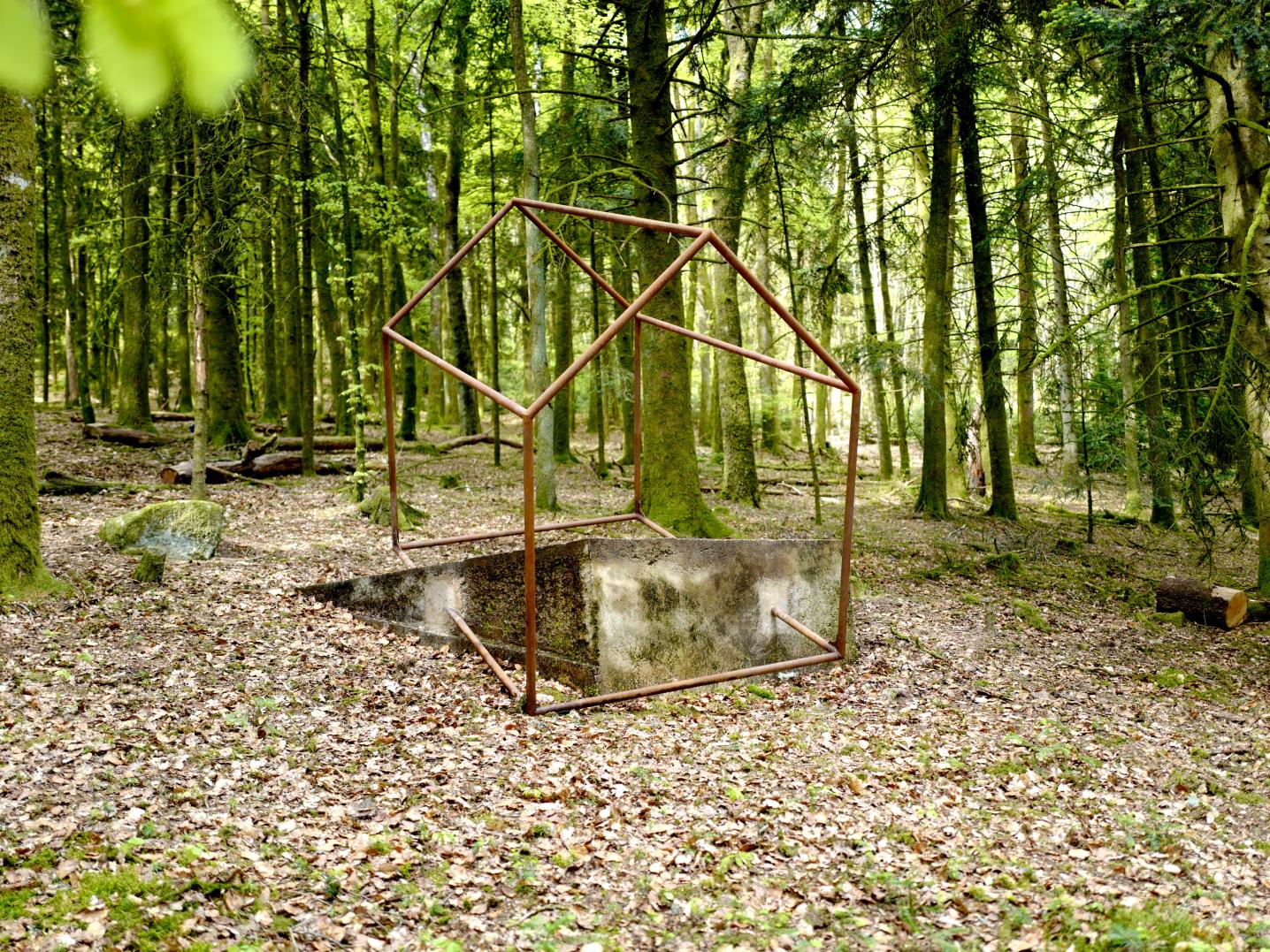
We host annual calls for residencies and program regular free events, from film screenings and talks to artist-led events and open studios. We are collaborating for the first time with the Cité international des arts in Paris on a residency program called In Situ, which will take place next year. In the coming months we will also be launching an open call for a residency on the thematic of plants associated with women’s health, from remedies passed down through generations to those associated with witchcraft. And our next exhibition opening, featuring solo presentations by American artist Madeline Peckenpaugh and French artist Arnaud Vasseux, is Saturday, November 21 – all are very welcome!
DutchCulture connects regenerative ideas and practices across borders, enabling people‑to‑people exchanges that are rooted in fairness, mutuality, and shared purpose. In an international context, this means working intentionally with partners to stimulate exchange. Our work has to be locally resonant to be globally relevant: we build networks of artists, cultural workers, and organisations who share the commitment to an interconnected world and a healthy planet.
What is a Zoöp?
The word Zoöp is short for Zoöperation, cooperation with zoë the Greek word for life, ζωή, It is an organisation form and learning process that incorporates non-human perspectives into decision-making, advancing regenerative practice. The Dutch Zoöp-model was developed at Nieuwe Instituut in Rotterdam, the first Zoöp in the world, and set up the Zoönomic Institut to grow the Zoöp network. Any organisation with an intrinsic motivation to contribute to the health of the ecosystems they are part of, can become a Zoöp and learn how to contribute to the well-being of their multispecies communities.