Search Artists
 Search Disciplines
 Search
Places
Search
Places
Image

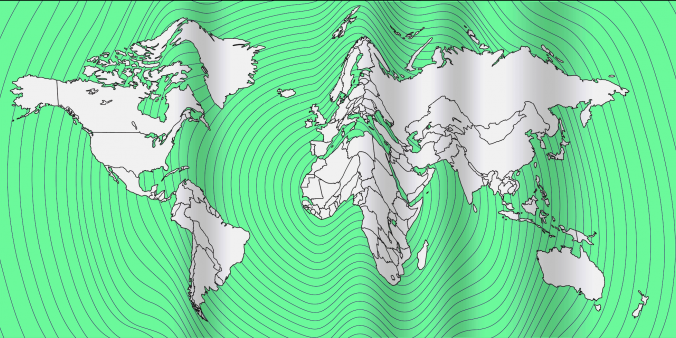
Heat map shows the most visited countries by Dutch makers in 2025

 BALDR Film Bas Birker ANOTR Mau P Atoms & Void
 Education
 United Kingdom
Germany
Portugal
Barcelona
Beijing
Copenhagen
United Kingdom
Germany
Portugal
Barcelona
Beijing
Copenhagen
Each year, we add international cultural activities to our Cultural Database, covering work across all artistic disciplines by cultural and creative professionals, organisations and makers based in or from the Kingdom of the Netherlands.
The database provides an overview of the scope, scale and characteristics of the Dutch International cultural presence. This helps us build a clearer picture of the international work of the whole sector and understand the cultural impact of the Netherlands in other countries. We also use this information to make a case for the importance of funding in the cultural sector. The database has more than 10 years of data, and our online data goes back to 2017.
It's free and publicly accessible, and helps you gain insight into the field and your discipline. It can also help you find project partners and venues, and it offers inspiration from what other professionals are doing. This can support your own international ambitions.
Every year, we create a general overview of the Dutch cultural presence abroad, the so-called DutchCulture Mappings (see below). These overviews include a list of the top fifty countries, an overview of sectors and active makers, as well as insight into trends. We also make a fact sheet for each of the focal countries in the Dutch International Cultural Policy.
Are you looking for a tailored overview of international activities by creators and cultural organisations from your region, province, or city — or focused on a specific discipline or country? Feel free to contact our Advice Desk about a tailor-made cultural data analysis.
Do or did you or your organisation take part in international cultural activities or projects? Do or did you collaborate with a partner abroad? We would love to hear from you.
You can contribute if:
How can you share your projects?
The My DC Portal allows Dutch or Netherlands-based makers to add and edit their own pages and international activities directly in our database. All activities submitted through the portal are checked by us to ensure accuracy before being added.
You can submit your international projects year-round, including those from previous years. We can no longer add these to past editions of our mappings, but your submission still helps complete the database. This gives us a clearer picture of the real impact of international cultural cooperation.
We strive to make the DutchCulture Database as comprehensive as possible and collect information from as many sources as we can. However, we recognise that we are not able to capture every international cultural event and our database is not exhaustive. The number of events varies significantly per discipline. This is in large part due to the nature of different disciplines (for example, a 3-month exhibition at a museum and a small concert in a pub both count as one event). We encourage you to look at events per discipline rather than comparing disciplines. We are always looking to make our database more comprehensive; if you have information on international cultural activities or would like more information about the database, don't hesitate to contact Erin Chang, our Database Officer, via the link above.
The database contains activities added by artists, creative professionals, and organisations. It also includes data we receive from our partners, and from our own research. Activities from 2017 onwards may be added.
1. Artists, creative professionals, and organisations may add activities to their page by creating an MyDC account.
2. We receive data regularly from most of the focal country embassies/consulates.
3. We receive data from the governmental cultural funds and the four organisations that execute the international cultural policy to inform us of relevant projects they are supporting abroad.
4. Once a year, DutchCulture sends a call for information to all cultural organisations in our network and to the Dutch embassies/consulates outside of the cultural policy focus countries.
5. Once a year, DutchCulture sends a call for information to the Amsterdam Fund for the Arts (AFK).
6. DutchCulture is subscribed to several newsletters and receives notifications of international activities which we add to the database.
7. DutchCulture is continually researching new projects, starting with the organisations that have already been added to the database before and are marked as the most frequent travellers of the past three years.
Makers include artists, cultural and creative professionals, and cultural organisations. You can be included if you:
Some disciplines are an easy fit for the structure of the database, like music and other performing arts, fine arts and film. This accounts for the high number of concerts, performances, solo or group exhibitions and screenings in the database. Some disciplines are harder to define, for example ongoing exchange programs or trajectories in the creative industry (design, games, architecture).
The number of activities in the cultural database varies significantly per discipline. This is in large part due to the nature of different disciplines (for example, a 3-month exhibition at a museum and a small concert in a pub both count as one event). We encourage you to look at events per discipline rather than comparing disciplines.
The amount of data per discipline depends highly on the source of information. For example: The Eye Film Institute collects all Dutch films, including minor co-productions at foreign festivals, but there are no go-to sources to collect Dutch exhibitions abroad or buildings designed by Dutch architects. We are dependent on individually provided information and our own research, which is naturally limited by time.
Quality: DutchCulture does not rate the status of the cultural organisations, artists or foreign venues.
Completeness: While we aim to be as complete as possible, we do not guarantee that all activities have complete information listed.
Commercial activities: DutchCulture does not collect information on commercial activities, such as product lines sold internationally or commercial film screenings.
Publicity & marketing activities: The database does not include publicity or marketing activities around cultural activities, such as reviews or publicity interviews.