Search Artists
 Search Disciplines
 Search
Places
Search
Places
Image
Image

Role
Advisor for Belgium, France, Germany & the United Kingdom & Interim Advisor for Italy & Spain
Email
a.moerk [at] dutchculture.nl

 Annabelle Lopez Ochoa Luuk van Dijk Maas Theatre and Dance Wil Salden KARAH
 Education
 Italy
Switzerland
Portugal
Turin
Warsaw
Seoul
Italy
Switzerland
Portugal
Turin
Warsaw
Seoul
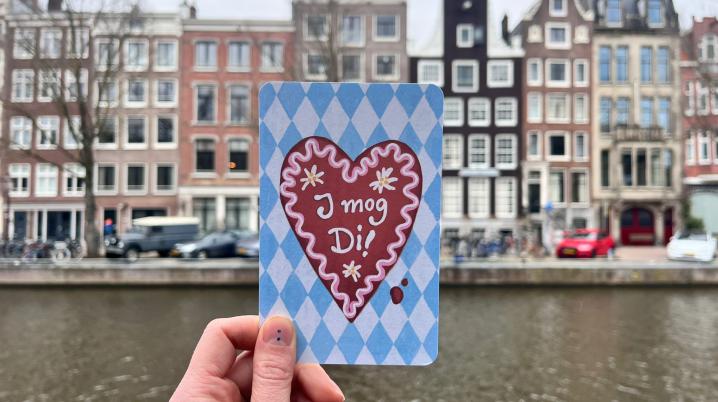
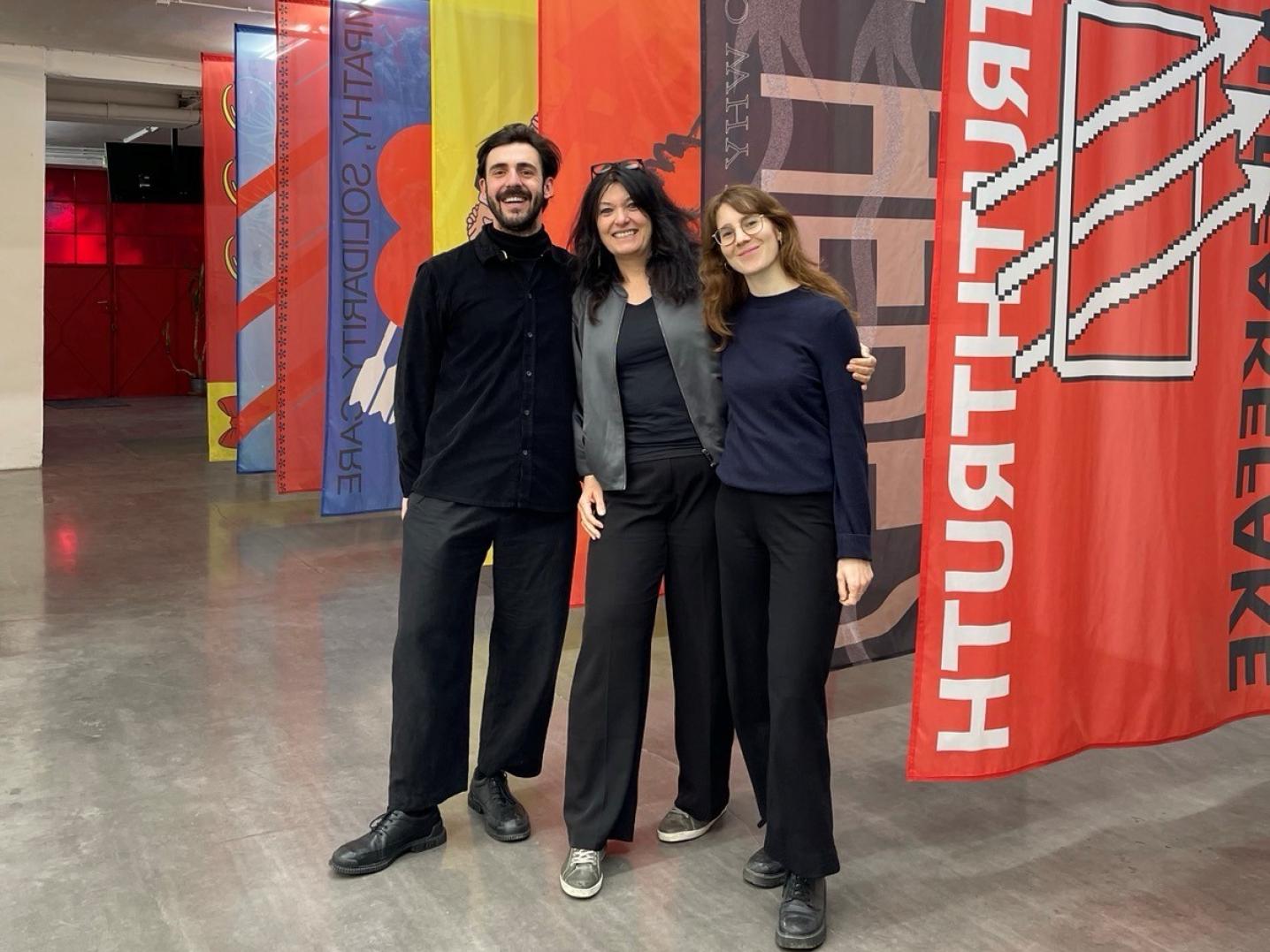
Our Germany advisor Astrid is spending a month in Munich discovering the cultural landscape, talking to cultural professionals and visiting interesting cultural spaces. DutchCulture would not want to withhold this useful information from you, which is why we share some knowledge and tips from local cultural players with you in the coming weeks. In this article, we focus on the most important information, namely which places, networks, opportunities, and funding you should know of.
Probably not quite yet. And yes, Berlin is innovative and cool and all, but local cultural workers rave about the independent cultural scene in Munich and the innovative cultural landscape flourishing here. Munich is known to be a beautiful city, and it has a lot of very prestigious cultural institutions, including renowned museums, theatres and an opera house. What makes Munich interesting compared to Berlin is the fact that you have to put in a little effort into discovering the cultural treasures of the off-scene. Street art and hip-hop, a legendary jazz club, contemporary dance, a creative neighbourhood with start-ups and an independent scene - Munich has it all.
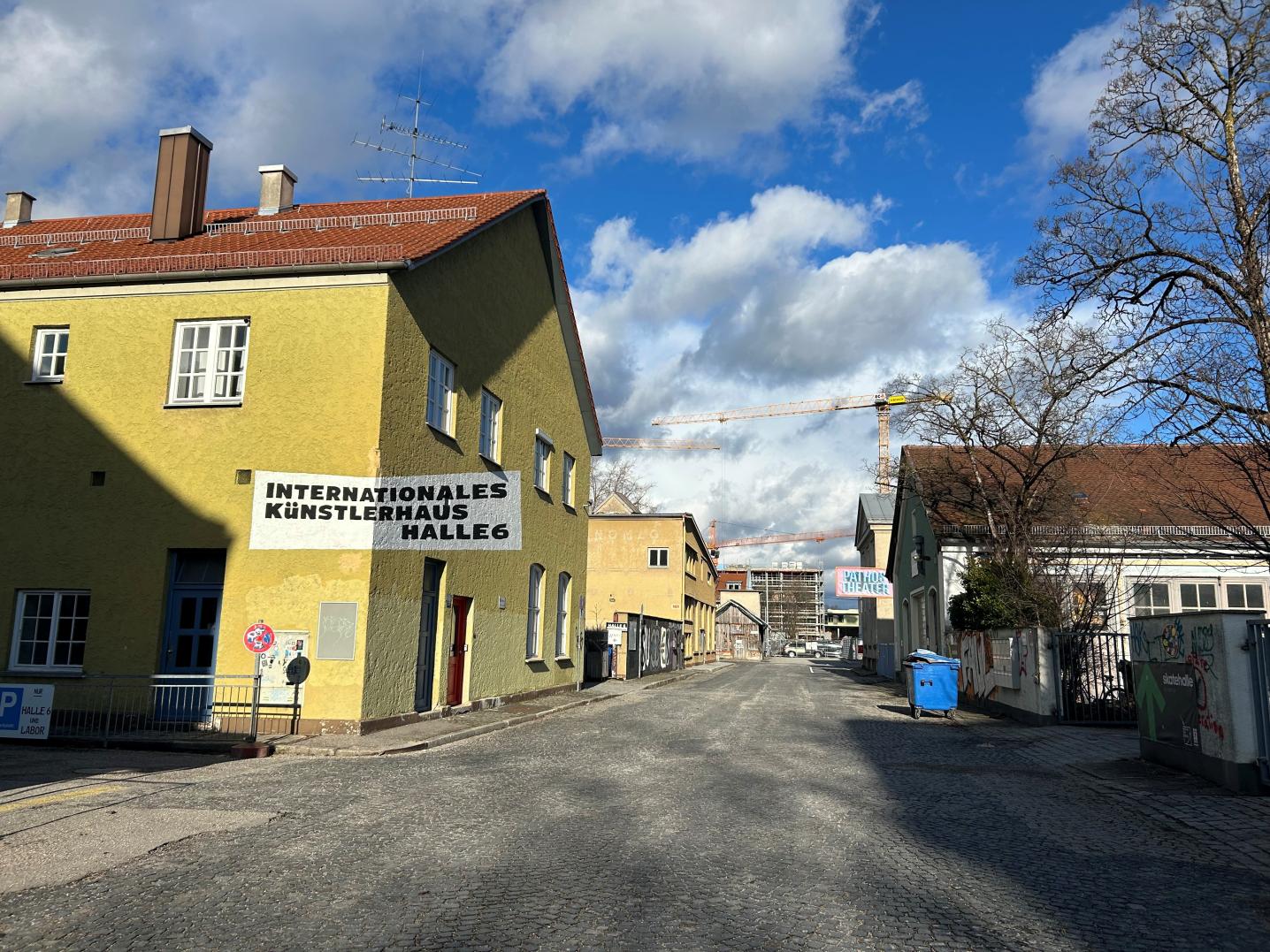
Most cultural professionals go into raptures about the Kreativquartier, a creative neighbourhood in the centre of Munich. The area used to be military barracks in the First and Second World War. After being vacant for a while, artists started taking over the spaces in the 1990s. The city of Munich is currently planning to build a creative neighbourhood there, where artists, makers and creatives have their own working spaces, combined with apartment buildings and a school. Meanwhile, a very active, independent art scene arose in the area, like the schwere reiter (a performing art venue), Pathos (an interdisciplinary space with a focus on theatre), Halle 6 (a space/residency for contemporary art) and Import Export (a live music venue and socio-cultural centre).
People could spend hours if not days in visual art museums and spaces, thinking of Lothringer 13 Halle, Lenbachhaus, Haus der Kunst, Kunsthalle München, Pinakothek der Moderne, Museum Brandhorst, and so forth. Important to mention are also the Museum Fünf Kontinente and the NS-Dokumentationszentrum, with efforts to rethink Germany's colonial history and Munich's role in Nazi Germany.
Music venues like Muffathalle, Strom, Fat Cat, Jazz Unterfahrt are interesting for the pop, indie, rock and jazz musicians. For theatre and dance, you can think of the Münchner Kammerspiele, Münchner Volkstheater, HochX and schwere reiter. Munich also has some interesting performing art festivals to offer; SPIELART Festival, Toolwood München, Rodeo Festival, and Münchener Biennale to name a few.
Looking for more places in Munich/Bavaria? Check out the Kulturatlas Bayern, a digital platform for cultural workers in Bavaria, and specifically the interactive map which bundles cultural organisations and institutes in the whole federal state.
Munich is not known for being the most open or internationally-facing city and in general, building a network in Germany takes time. Apparently, the amount and competition of visual artists in Munich is big and high culture is still valued, so it would probably be difficult to connect with larger institutions immediately. Yet there are small, independent places that are open to connect. The website Hotspots of Art for example lists off-spaces in Munich. If you work on a specific topic and find a group of like-minded creatives, they would probably be happy to get in touch and exchange ideas. One way to connect could be to consult the cultural institutes of EUNIC located in Munich, since those places have large networks in the city and international culture is their daily business. Moreover, the Musikbüro, Tanzbüro and Theaterbüro are great contact points. They are specialists in the independent music, dance and theatre field, and their duty is to counsel cultural workers in Munich. They could connect you to local players and think along about ways of cooperating.
The Kulturreferat München has two residency houses, the Villa Waldberta and the Ebenböckhaus, open to artists from all kinds of disciplines. Every three months, they welcome new, international artists. Institutions in Munich can apply for these residencies, so they are not just isolated artist-in-residence programmes. Individual artists and institutions from Munich, who would like to cooperate with an (inter-)national artist and need a place for this person to stay and work, can apply via an open call. The houses have a direct connection to cultural players in the city and function as hubs.

One of the organizations to offer funding for international projects is the Kulturreferat München. They support the independent art scene, all disciplines included, by offering grants of a maximum of €10.000 per project. Both individual cultural workers and organizations based in Munich can apply for projects with international partners taking place in Munich or abroad. Note that it is a relatively small amount, so often additionally funding is needed. Good to know is that if the budget you need is less than €1.000, the Munich-based partner organization/person can apply any time. For example, when you are invited to take part in a festival or exhibition on a short notice. Besides that, Culture Moves Europe is a great scheme to cover travel and accommodation costs. Lastly, the Consulate-general of the Netherlands in Munich occasionally funds projects taking place in Munich. Similarly to the support by the Kulturreferat, you need a Munich-based partner sending in the application. Moreover, they value long-term collaborations with a strong link to the Netherlands.
For more funding check our Cultural Mobility Funding Guide on our website and for open calls, check our 'Friday wrap' Instagram stories every Friday.
Feel free to contact our Germany advisor Astrid Mörk.