Search Artists
 Search Disciplines
 Search
Places
Search
Places
Image
Image
Role
Advisor for Belgium, France, Germany & the United Kingdom & Interim Advisor for Italy & Spain
Email
a.moerk [at] dutchculture.nl

 Herman van Veen Joris Voorn Wil Salden Zinzi & Evertjan de Stilte
 Education
 Austria
Denmark
Germany
Miami
Sydney
Vienna
Austria
Denmark
Germany
Miami
Sydney
Vienna
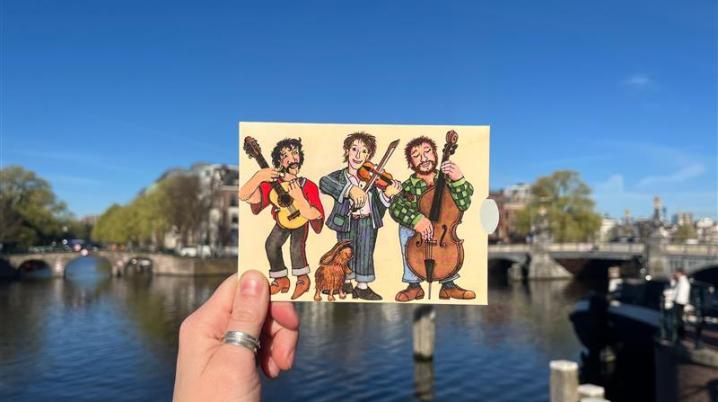
Our Germany advisor Astrid spent a month in Munich discovering the cultural landscape, talking to cultural professionals and visiting interesting cultural spaces. DutchCulture would not want to withhold this useful information from you, which is why we share some knowledge and tips in our article series Postcards from Munich. In this last article, Astrid interviewed Julian Kämper from Musikbüromuc about the contemporary music scene in Munich.
The Musikbüromuc has existed since May 2024. It emerged from an initiative within the independent scene of contemporary music, where various actors came together and approached the City of Munich with the need to have an information platform for musicians, composers, performers, and curators. We represent all freelancers working in the field of contemporary music, so called ‘’Neue Musik’’. There are already similar models in other cities, such as field notes in Berlin and ON Cologne in Cologne. For pop music, there is a separate contact point in Munich called Fachstelle Pop. We as Musikbüromuc try to bring people together and help them to be connected with the field. Local and international artists who are interested can get in touch with us, and we can put them in contact with people in Munich if appropriate. There are also many artists, who are exploring new paths, are experimenting and looking for inspiration and new contacts.
Munich is a large city, and of course there is an incredible amount of culture, and a very rich and diverse music scene. However, there is still a strong tendency to think in separate genres and sectors. This is certainly also due to the funding structures, since interdisciplinary projects such as music theatre are very difficult to finance. Another special feature of Munich is that it has an extremely diverse and prestigious high-culture sector, with three top orchestras, two opera houses, and so on. On the one hand, this is wonderful and very representative, and a lot of energy, time, and artistic work goes into it. On the other hand, the independent scene struggles to find its place alongside this. There is an off-scene and a subculture, but it is quite niche. This situation is the reason why artistic approaches that are rooted in tradition and tend to be conservative predominate, which is something I wouldn't want to judge. The focus is very much on classical performance formats: the traditional cycle of composition, performance, and the audience coming to the concert hall. Anything that challenges that, like alternative formats, thinking outside the box, performing in a completely new space, reaching a new audience, has recently been attracting increasing interest from many artists here. Unfortunately, these initiatives are often held back due to the current difficult funding situation. However, worth checking out is the aDevantgarde Festival, which takes place every two years and is curated by the independent scene itself.
Well, the scene cannot really develop if it only revolves around itself. Artists need to get out, discover more of Germany and more of the world. I would also like to see more international artists with very distinct and individual positions coming here and presenting their work, especially within the independent and experimental scene. Simply as a form of input and exchange. However, funding can get in the way, because the city of Munich primarily supports the local art scene. From the perspective of funding logic and budget cuts, this is understandable, of course. But there are also increasing opportunities to get funding for international projects. We really need more collaborations, especially in these difficult times.
Recently, there has been a growing attempt to exchange ideas more and to come together more closely as a scene. People who previously worked individually are trying to represent themselves more as a collective or community and to move forward through shared visibility and lobbying. At the same time, people are also looking more closely at the challenges ahead. At the moment, cultural budgets are being reduced rather than expanded almost everywhere. At Musikbüromuc, we have also noticed that freelance artists are increasingly taking the initiative and seeking to launch their own projects in order to keep their own artistic work - and culture as a whole - alive.
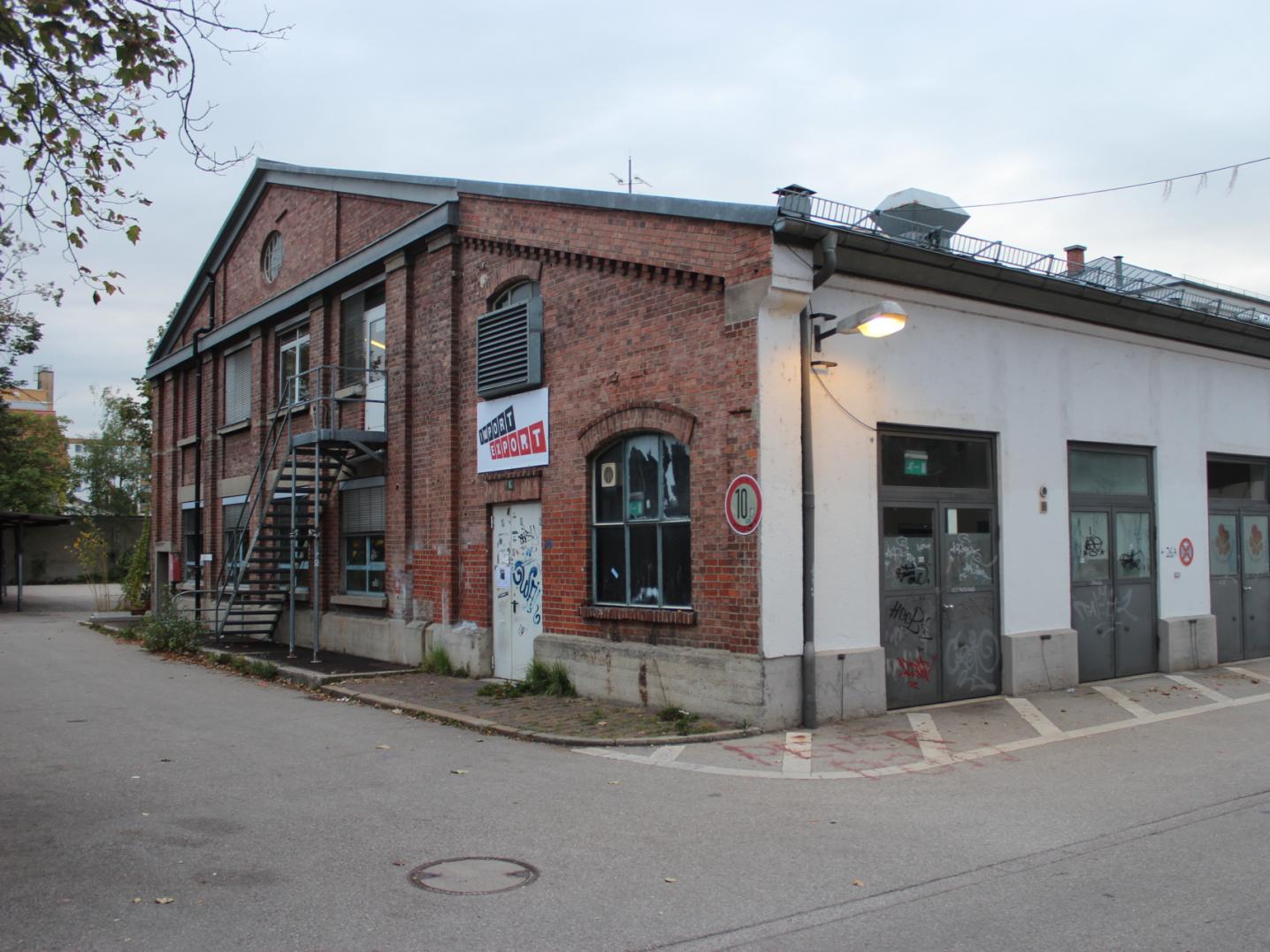
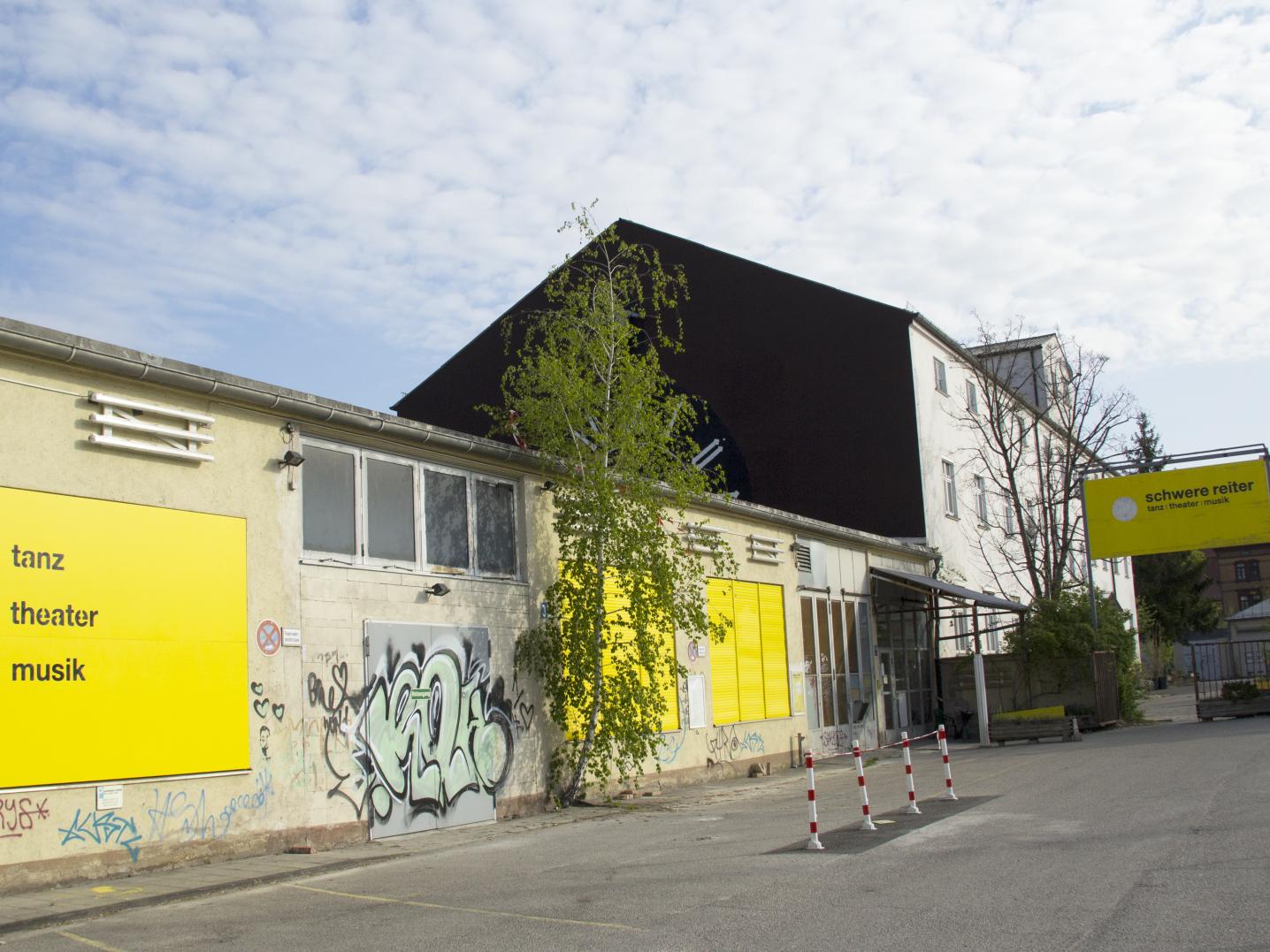
schwere reiter is an important venue in Munich, because it is explicitly designated by the City of Munich as a venue for independent projects in theatre, dance and contemporary music. Other places include Einstein Kultur and HochX. Import Export could also be an option, although it is more used as a club or a bar, and they program mostly bands. And of course, the Müchener Biennale, the festival for music theatre, is an interesting festival. The Musikbüromuc has recently launched an online platform where numerous Munich-based musicians, composers, performers, and institutions can showcase their work. Anyone interested in collaborations can explore the diversity of the scene here and connect with others.
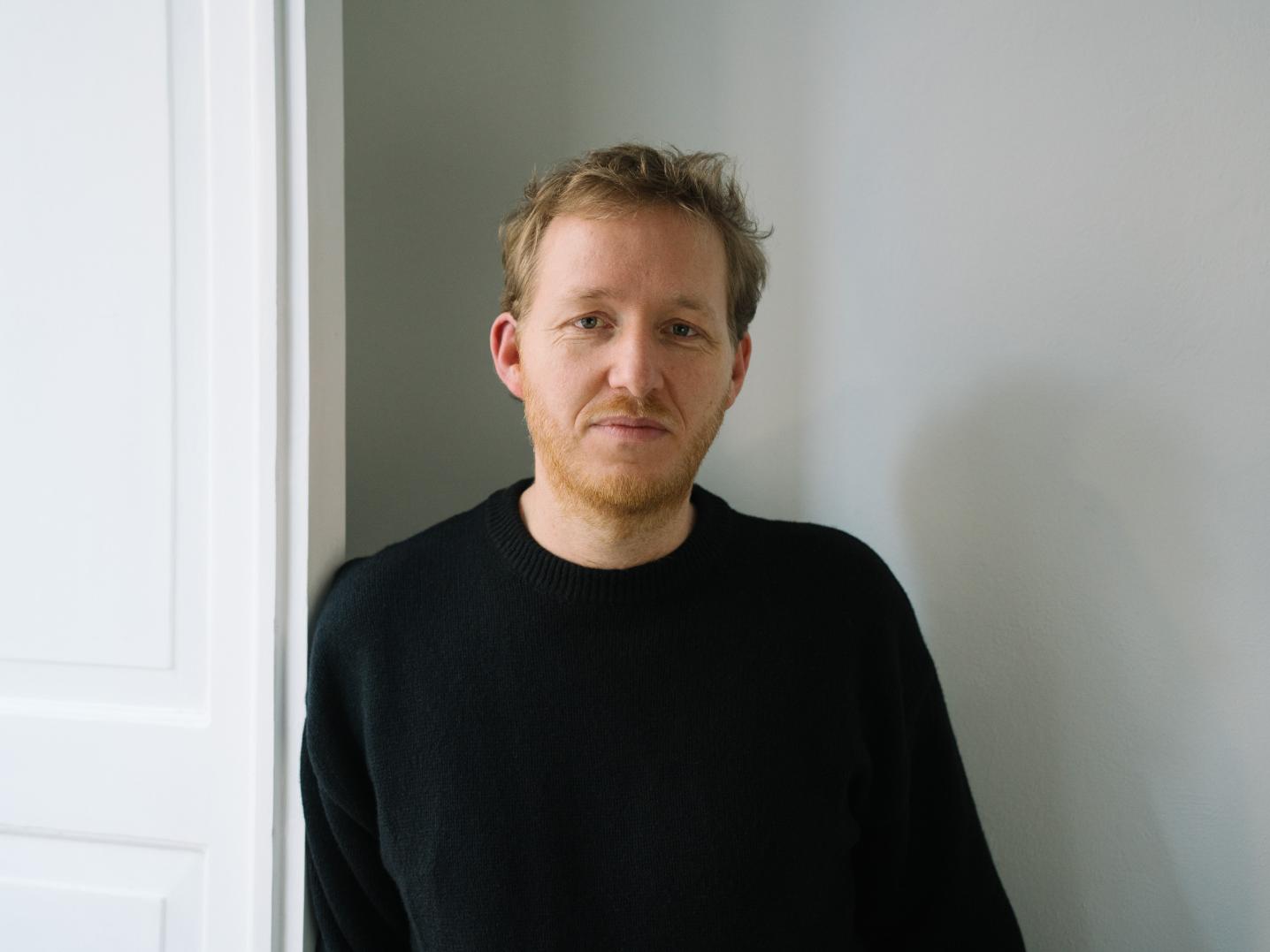
Julian Kämper is a musicologist, author and freelance dramaturg specialised in music, musical theatre and performance. From 2014 to 2016, he was an assistant dramaturg at the Junge Oper at the Staatstheater Stuttgart. As a dramaturg, he devises alternative concert and theatre formats within the independent scene as well as in collaboration with established cultural institutions and festivals (including the Munich Biennale). He works closely with collectives, ensembles and interdisciplinary artists to develop theme- and space-specific forms of presentation. As part of the Sounddramaturgien collective, he has created 3D-specific projects for the Munich Philharmonic and the Kunstkraftwerk Bergson, followed by 3D sound theatre pieces for the Ruhrtriennale and the Bavarian State Opera in cooperation with the Schauburg.